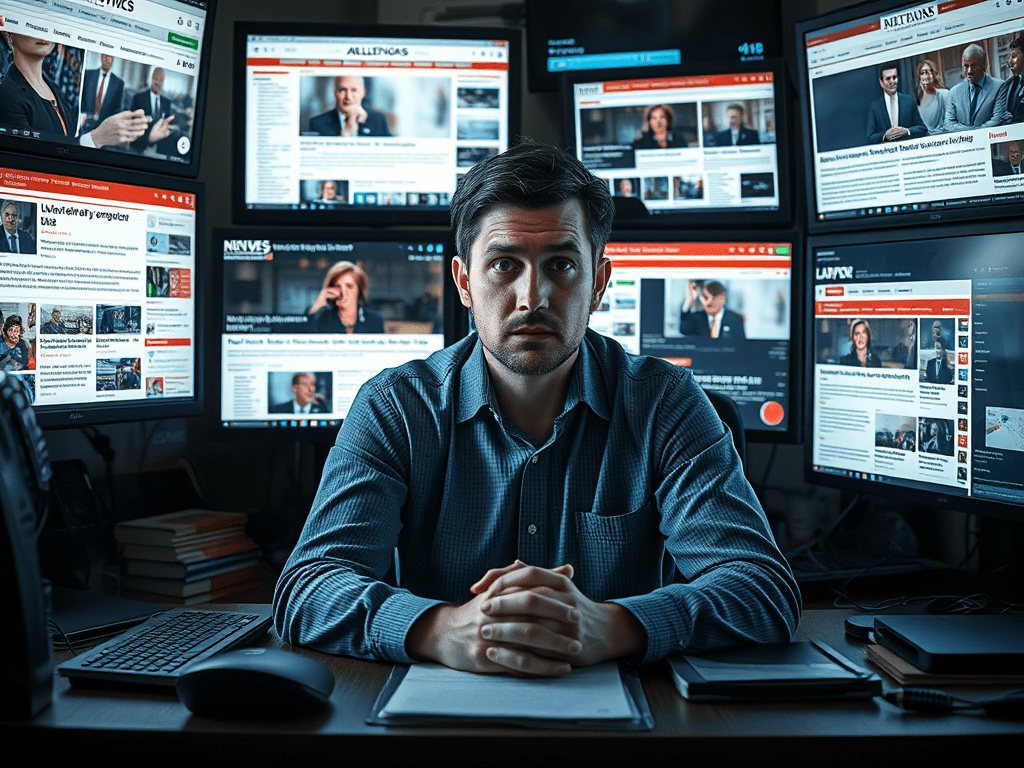
What do you know to be true? And can you spot an AI-generated news story or online video?
A recent video posted on X and reported by NBC News of an American company distributing food aid to the people of Gaza sparked an online debate about what was real and what was not. Beyond the facts of the video lies a more interesting story about what we perceive as real and, in our current battle for truth, the lengths that we must now travel for it.
Misplaced, misapplied, mistake? It is all misinformation
Five Fingers? Check!
Fakery with video is not a new thing. Often, photos or videos can be taken out of context, or sourced from an earlier event and attributed to something else. Misplaced, misapplied, mistake? It is all misinformation and simple to fact-check. Generative AI, however, has made the fact-checking task more difficult. It is no longer a reverse image search to find a forgotten photo. With AI those photos and videos have never existed before — they are as new as real photos and leave no trail of images across the internet to follow. AI has advanced quickly from just a few months ago when the most common tell-tale of a generated photo was the human placement of hands and fingers, or blurred logos and fine details. Now it requires more time and more skill than most of us possess.
Details, Details
News organizations and viewers are confronted with an overwhelming amount of misinformation, and AI has empowered every type of influencer with highly capable tools. NBC News in their effort to verify the story, relied on both traditional fact-checking methods and collaborated with Get Real Security, a cybersecurity firm based in California. They examined the background of the video and cross-referenced and triangulated key features, such as trees to known satellite images. They also looked at details of the person in the video, spotting logos on their gloves and eyeglasses that match similar equipment known to be worn by aid workers. All of this led them to the conclusion that the video was authentic.
Truth Insecurity
Our truth insecurity has indeed arrived. The traditional sources of truth — credible news organizations, academia, and government — are all going through a period of transition. Generative AI, the likes of ChatGPT, Claude, Gemni, along with their image creating cousins DALL-E, Sora, and Midjourney, have all plunged us into the deep end of information confusion. Our growing truth anxiety and insecurity are very real as a result. While we may not need to know how to triangulate images to those of drone photos to accept the truth, we do need to know that everything we see is not real, and everything that might be real, may not be seen.
…The truth can be elusive.
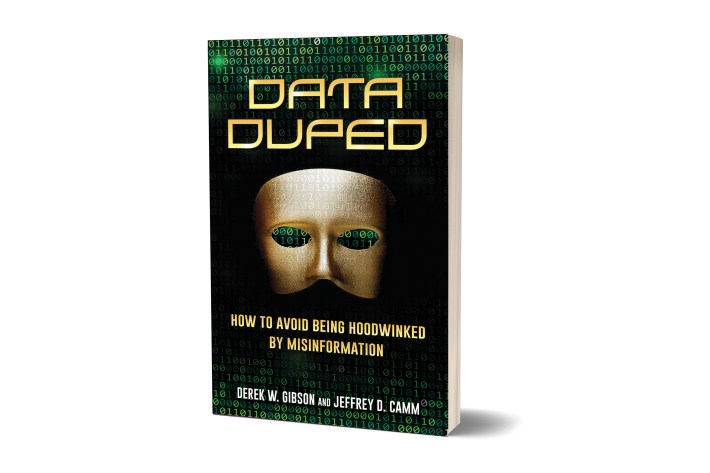

 Data Duped