
Adapted from Data Duped: How to Avoid Being Hoodwinked by Misinformation
The Deception
In 2003 Elizabeth Holmes had a brilliant idea. She recently left Stanford University and was raising money for her new company. Her plan was a never-before-attempted approach to health care testing that would discover, and presumable preemptively treat hundreds of diseases from a small single ampule of blood taken from a finger stick. The small amount of blood would be tested in a revolutionary desktop lab – a lab in a box – that would provide near-instant results.
The process was simple. Collect the blood sample from a patient’s finger, insert it into the box and magically the results appear in a few minutes. Did you have cancer or hepatitis? Are your kidneys functioning properly? In total there were 240 possible tests. The lab boxes were named Edison and styled to resemble the NeXT computers, an innovation in themselves that Apple founder Steve Jobs developed in the late 1980s. They looked magnificent. Inside was a complete automated lab – a fusion of robotics and cutting-edge laboratory technology. Their compactness and efficiency in which they could do testing, even without an order from a medical doctor, all drove down the costs and the convenience to customers up.
Now with this innovation, people who might not otherwise know they needed medical treatment could get it sooner, perhaps even before they showed signs of an illness. Theranos and their Edison lab machines deployed at local neighborhood pharmacies would, as Holmes often described it, “change the world”. Who would not want that? Some may say they absolutely needed it. Some states changed legislation to clear the way for them to be distributed, side stepping long standing medical practices requiring doctors to consult with patients prior to ordering tests. After all, this was going to help people live better lives. It was going to change the world. And change was necessary with an aging population and consequentially rising health care costs.
Holmes raised capital from investors. First just a few million dollars, but soon after, hundreds of millions. By 2010 the company was valued at $1 billion. The company formed a partnership with Walgreens to distribute Edison through in-store Theranos Wellness Centers. They went public in 2014 and were valued at more than 9 billion dollars, making its founder, Holmes then only 30, one of the youngest self-made multi-billionaires in history. There was of course just one problem. The whole thing was a lie.
The Black Box
The technology behind the Edison box was a sham and so was the data used to support it. Edison did not work. It was later discovered when prospective corporate partners visited Theranos’ offices for a demonstration of the machine, the visitors were conveniently whisked away from the conference room between the time the blood was drawn and the results were shown. In the meantime, employees would remove the blood sample from the machine and take it down the hall to a real lab to perform the tests. Once they had the results, they would return to the conference room and program the Edison display to show the results. The data on the screen would show them the results of the tests, but of course, it was the data equivalent of a sleight-of-hand magic trick. The magic was not the innovation of the technology it was the deception using data.
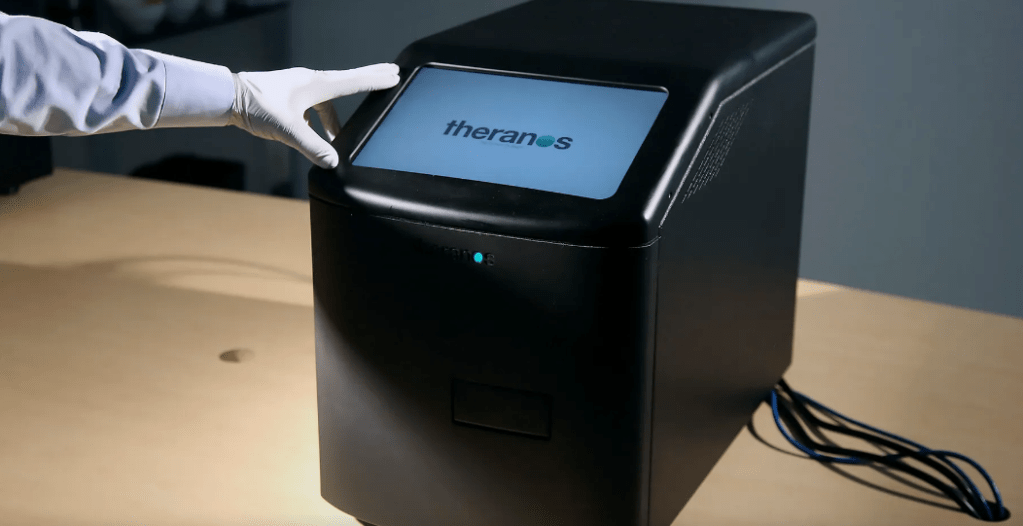
The story of Theranos is not the typical data duping we expect most people to encounter at work. But it is a powerful story about how deception by data can operate. Well-presented data provides credibility. Data can help support a decision or convince someone of another course of action. It can give the impression at times that things are “ok” leading its viewers to conclude no decisions or changes are required.
When We Want to Believe (the Data)
Complacency by data, data that makes you feel ok with the current state of affairs, is a type of data duping. There are two aspects of the Theranos story that stand out.
One is many of the people involved in the story wanted to believe the data were true. The other is they failed to ask the right questions to avoid being data duped. Perhaps they did not ask the questions because they wanted so much to believe Edison was working, or maybe it was because their unfamiliarity with data made them hesitant to ask a “numbers” question. Statistics may not be everyone’s strength, and it can be intimidating, especially in a room at Theranos where you are surrounded by scientists. Moreover, it may be difficult to know the right types of questions to ask.
Deceptive data is not always intended to be misleading. The creator may believe they are showing the most accurate information in the most genuine manner.
This story illustrates how data can show up in your business – any business – and ways in which you might commonly see it used in a deceptive manner. Deceptive data is not always intended to be misleading. The creator may believe they are showing the most accurate information in the most genuine manner.
Being prepared for these situations means being able to ask appropriate questions about the data, foster discussion and evaluation, and improve upon how data is used in making the best decisions.

 Data Duped